Advanced Orthodontics & Invisalign: Aligning Bites and Enamel Profiles
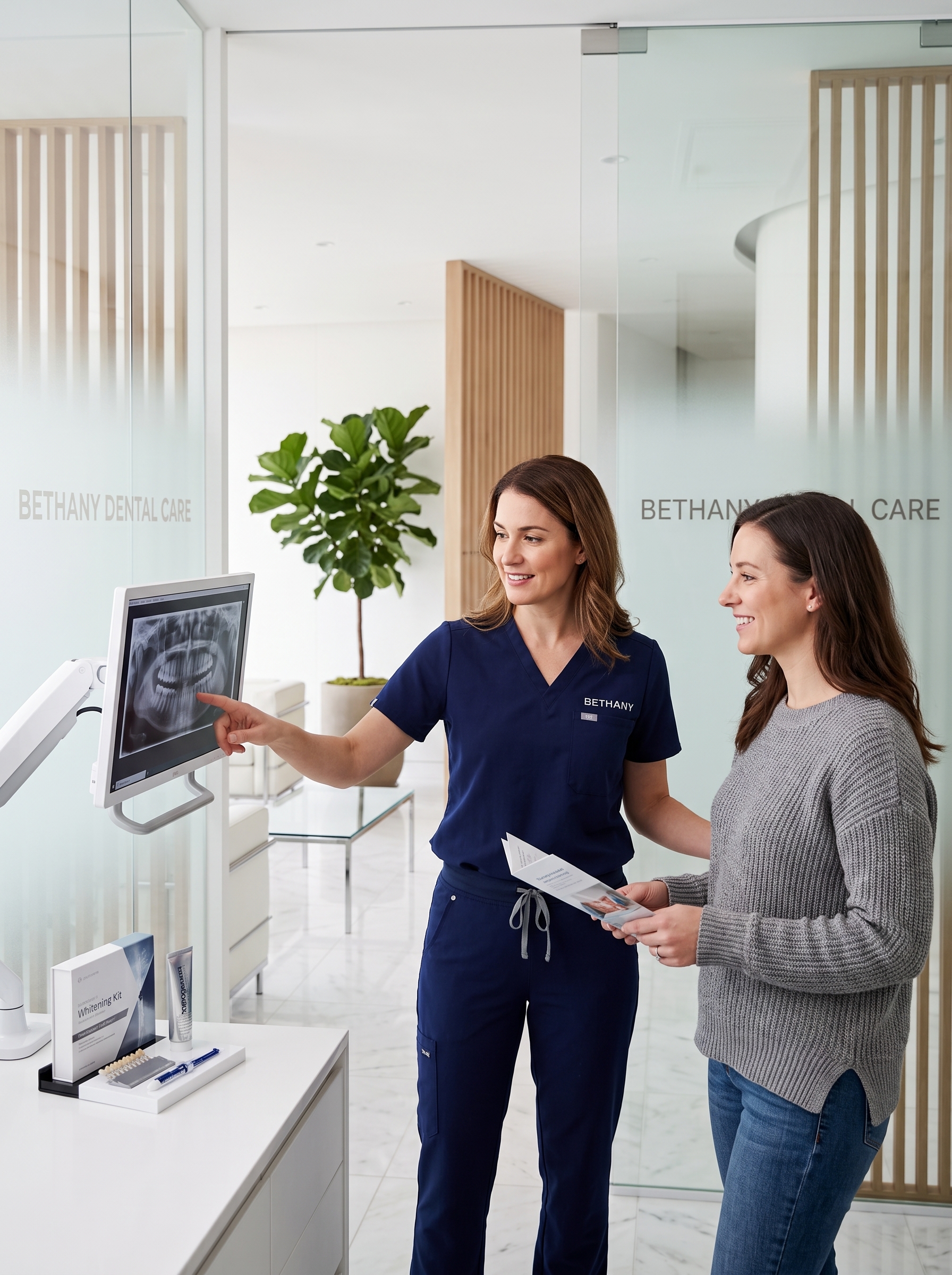
Orthodontic treatment has evolved from rigid metal wires to highly predictable clear aligner therapy. Invisalign represents a breakthrough in digital biomechanics, allowing dentists to resolve complex malocclusions with minimal impact on a patient's lifestyle. The core of this system is SmartTrack material, a proprietary medical-grade thermoplastic engineered to deliver constant, gentle orthodontic forces to the dentition.
The biomechanical planning is executed through virtual CAD/CAM software. The software maps the movement of each tooth in increments of 0.25 millimeters per stage. This level of microscopic control allows clinicians to plan root movement, rotation, and intrusion with clinical safety, avoiding the risk of root resorption. Attachments—small, tooth-colored composite shapes—are bonded to the enamel to act as force anchors, allowing the clear aligners to execute complex movements like bodily root translation.

Correcting the bite involves optimizing the relationship between the maxillary and mandibular arches. Malocclusions such as overbites, underbites, crossbites, and crowding are not merely cosmetic concerns; they cause enamel attrition, temporomandibular joint (TMJ) stress, and increase the risk of periodontal disease. By aligning the teeth, the masticatory forces are distributed evenly across the dental arch, protecting the enamel from premature wear.
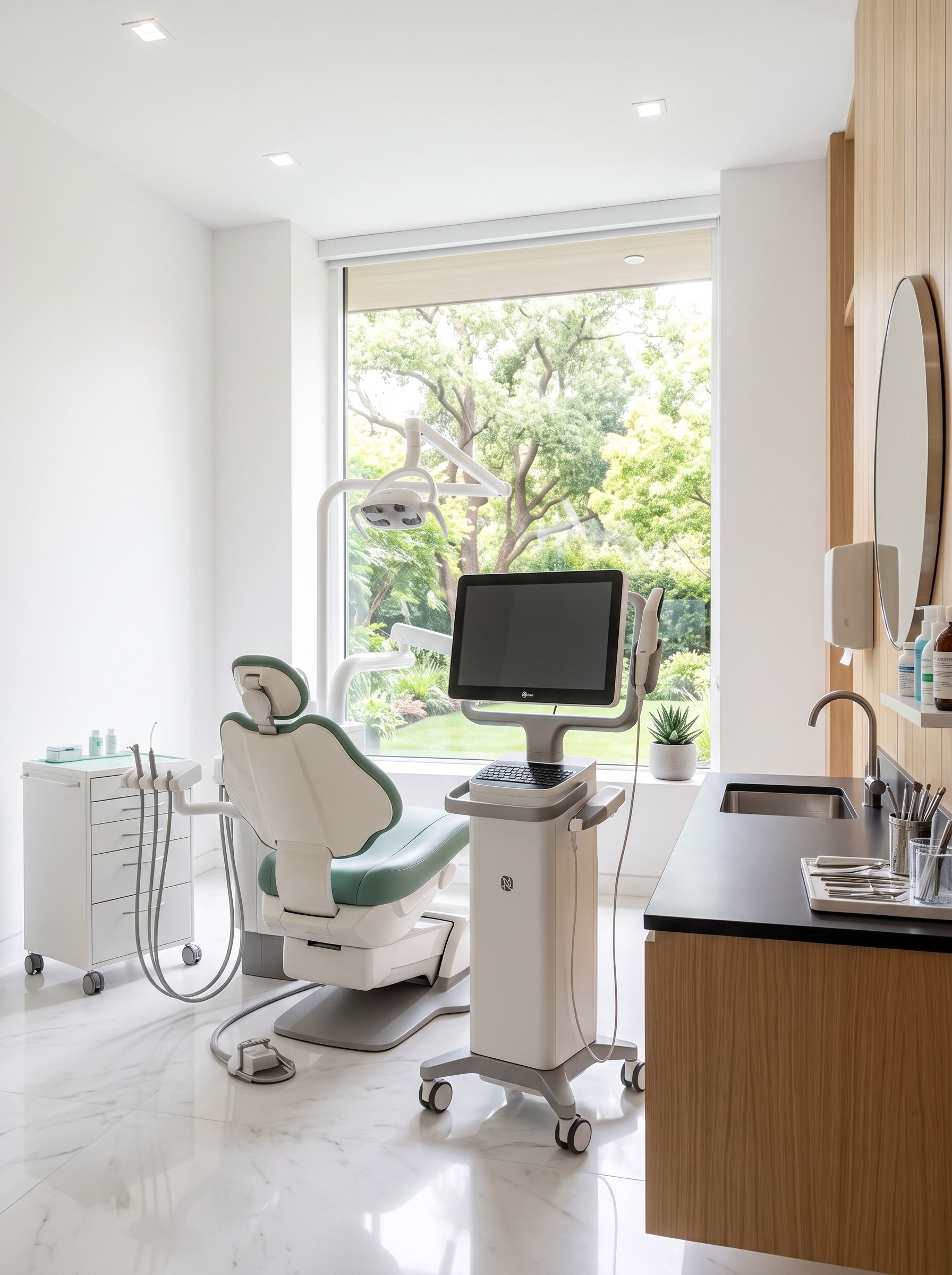
Compliance is a critical factor in Invisalign success. Aligners must be worn for 20 to 22 hours per day, removed only for meals and oral hygiene. Advanced monitoring systems allow patients and doctors to track progress virtually, reducing clinical visit times while maintaining exceptional alignment quality. The final outcome is a stable, well-aligned occlusion that supports speech, chewing, and a lifelong balanced dental arch.