Cosmetic Dentistry & Smile Design: The Science of Visual Harmony
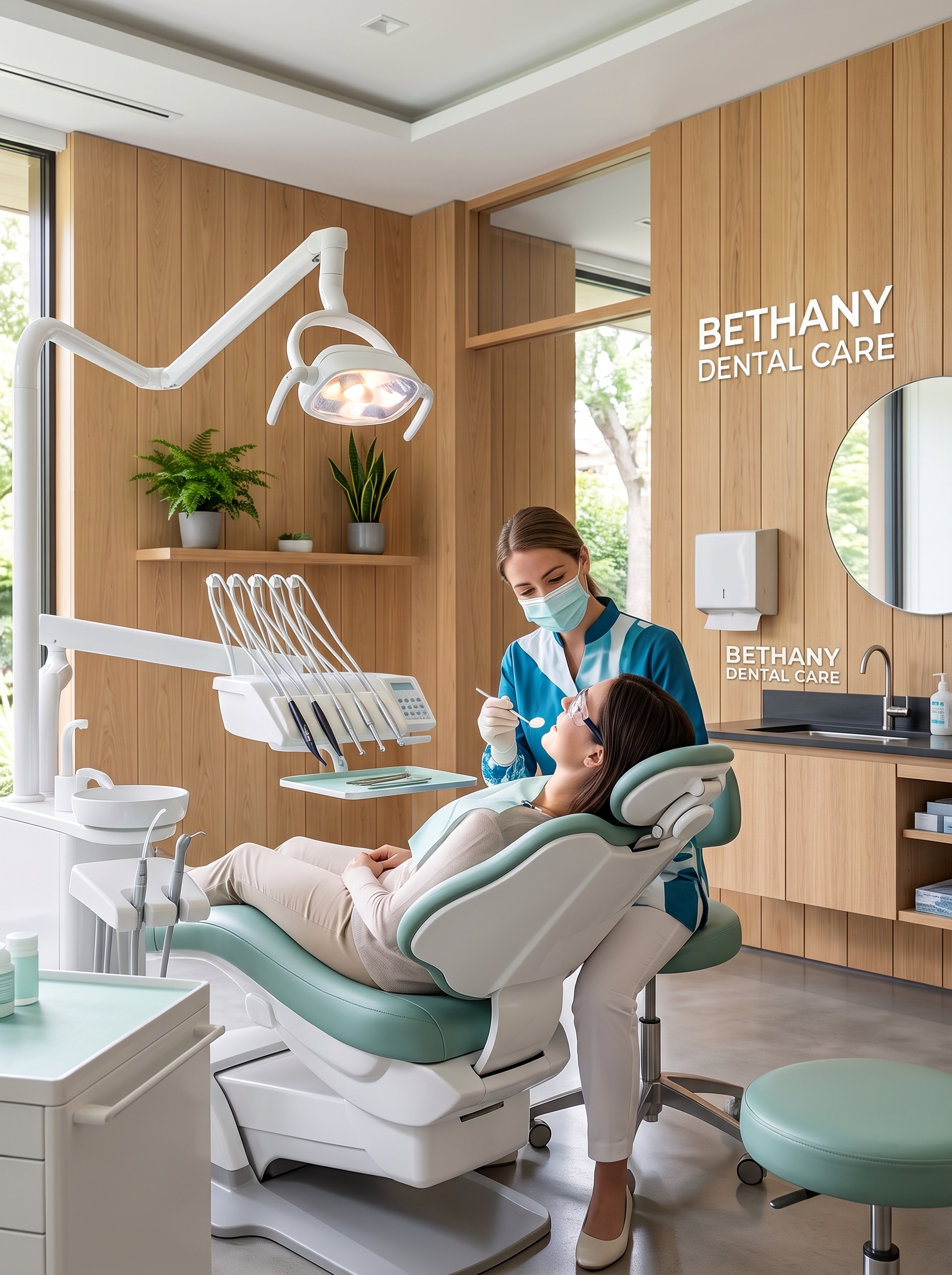
Cosmetic dentistry is far more than a collection of aesthetic treatments; it is a highly specialized clinical discipline that combines the physics of light, the chemistry of modern ceramic materials, and the biological principles of periodontal health. Smile design is a structured methodology used to analyze, diagnose, and construct visually harmonious smiles that complement an individual's unique facial features.
The process begins with digital smile mapping telemetry. High-resolution intraoral scanners capture the exact coordinates of the dental arch, while facial photographs analyze the interpupillary line, the lip line, and the dental midline. Achieving visual harmony requires strict adherence to golden proportion ratios. The width of the central incisor, lateral incisor, and canine must relate mathematically to project a balanced profile.

Porcelain veneers represent the gold standard in cosmetic smile design. These ultra-thin shells of feldspathic porcelain or lithium disilicate are bonded directly to the enamel using advanced adhesive resins. The preparation requires microscopic tooth reduction, ensuring the conservation of healthy tooth structure while creating adequate room for the ceramic layer to mimic natural light transmission. Translucency, chroma, and value are carefully calculated to prevent a chalky, artificial appearance.
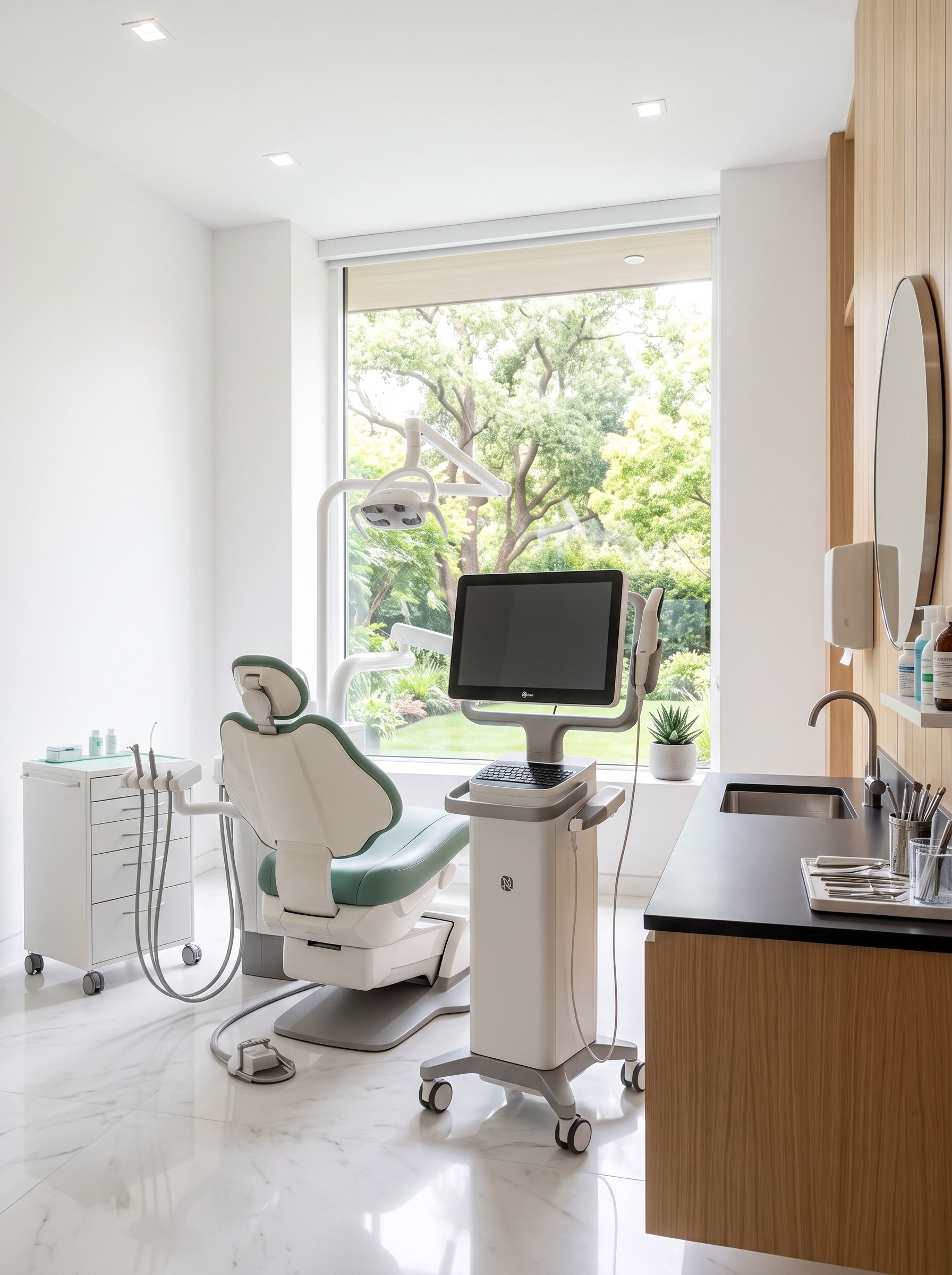
Furthermore, periodontal aesthetics are crucial. A visual smile design must address the gingival architecture, correcting uneven gum lines using precision tissue contouring lasers. This ensures that the gingival zenith—the highest point of the gum line on each tooth—is correctly positioned relative to the clinical crown. By aligning the soft tissues and the hard ceramic structures, cosmetic dentistry delivers stable, biological, and stunning smiles that stand the test of time, improving oral function and patient self-confidence simultaneously.