Neuromuscular Oral Sedation: Eliminating Dental Anxiety and Gag Reflexes
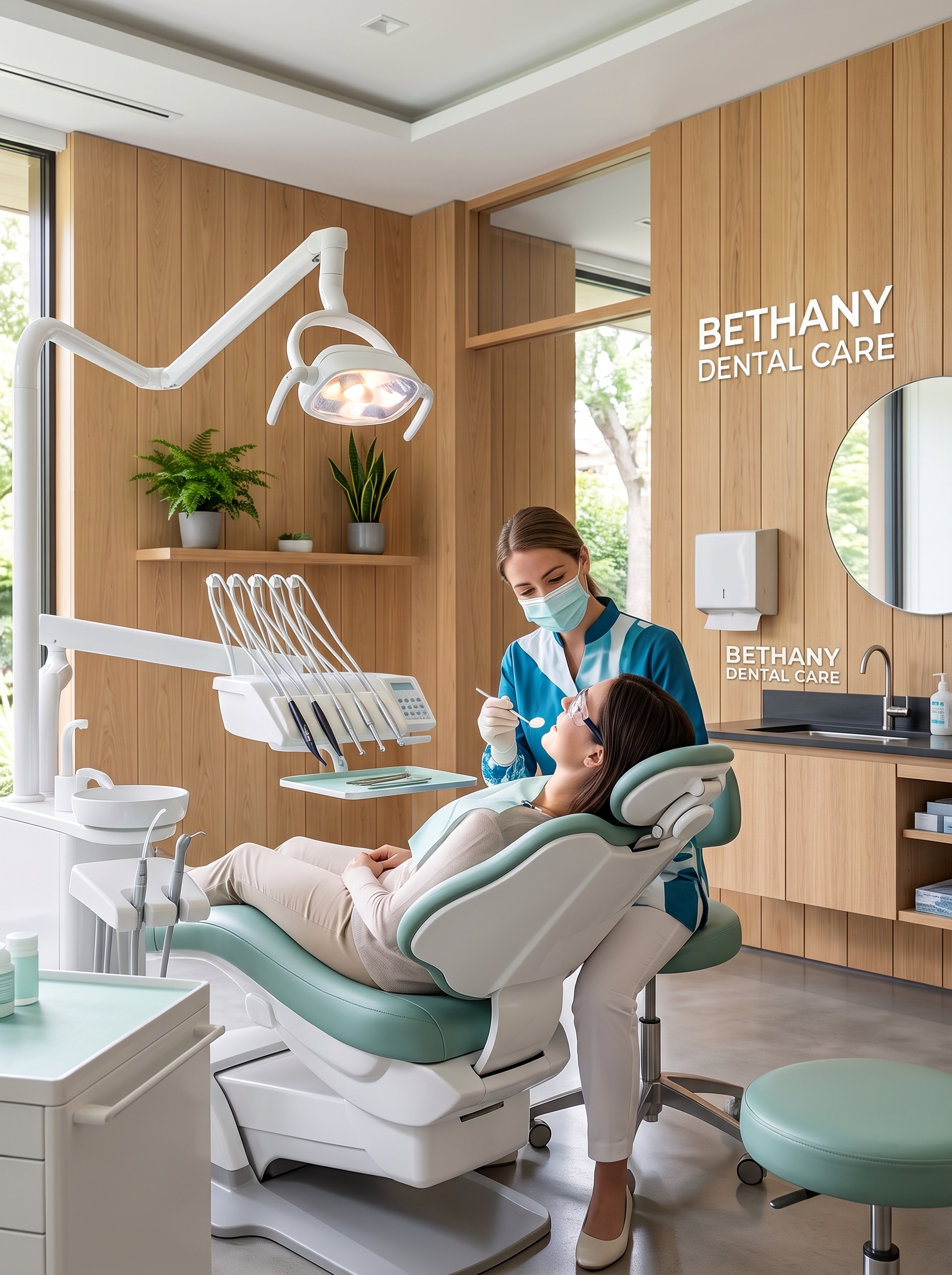
Dental phobia is a significant barrier to oral health, causing millions of individuals to avoid essential treatment. Neuromuscular oral conscious sedation is a highly effective pharmacological approach designed to eliminate fear, suppress overactive gag reflexes, and create a calm state during complex dental procedures. Unlike general anesthesia, oral sedation keeps the patient conscious, cooperative, and able to respond to verbal cues.
The sedation process involves the administration of oral sedative medications, typically from the benzodiazepine family, taken shortly before the appointment. These medications target GABA-A receptors in the brain, enhancing inhibitory pathways that reduce anxiety and induce muscle relaxation. Because these agents have strong amnestic properties, patients frequently have little to no memory of the procedure.

For patients with a hyperactive gag reflex, oral sedation relaxes the neuromuscular pathways responsible for this involuntary response. This allows the clinical team to perform procedures like impressions, scanning, and endodontics with ease, ensuring high clinical accuracy and patient comfort. Throughout the entire appointment, the patient's vital signs, including oxygen saturation, heart rate, and blood pressure, are continuously monitored.
Additionally, oral sedation allows for "treatment consolidation," where multiple procedures (such as root canals, crowns, and implants) are completed in a single session. This saves valuable hours for busy professionals, ensuring high-efficiency care in a safe environment. By eliminating pain and anxiety, neuromuscular sedation helps patients rebuild their trust in dental care and maintain healthy smiles.