Precision Root Canal Therapy: Modern Sedation and Microscopic Endodontics
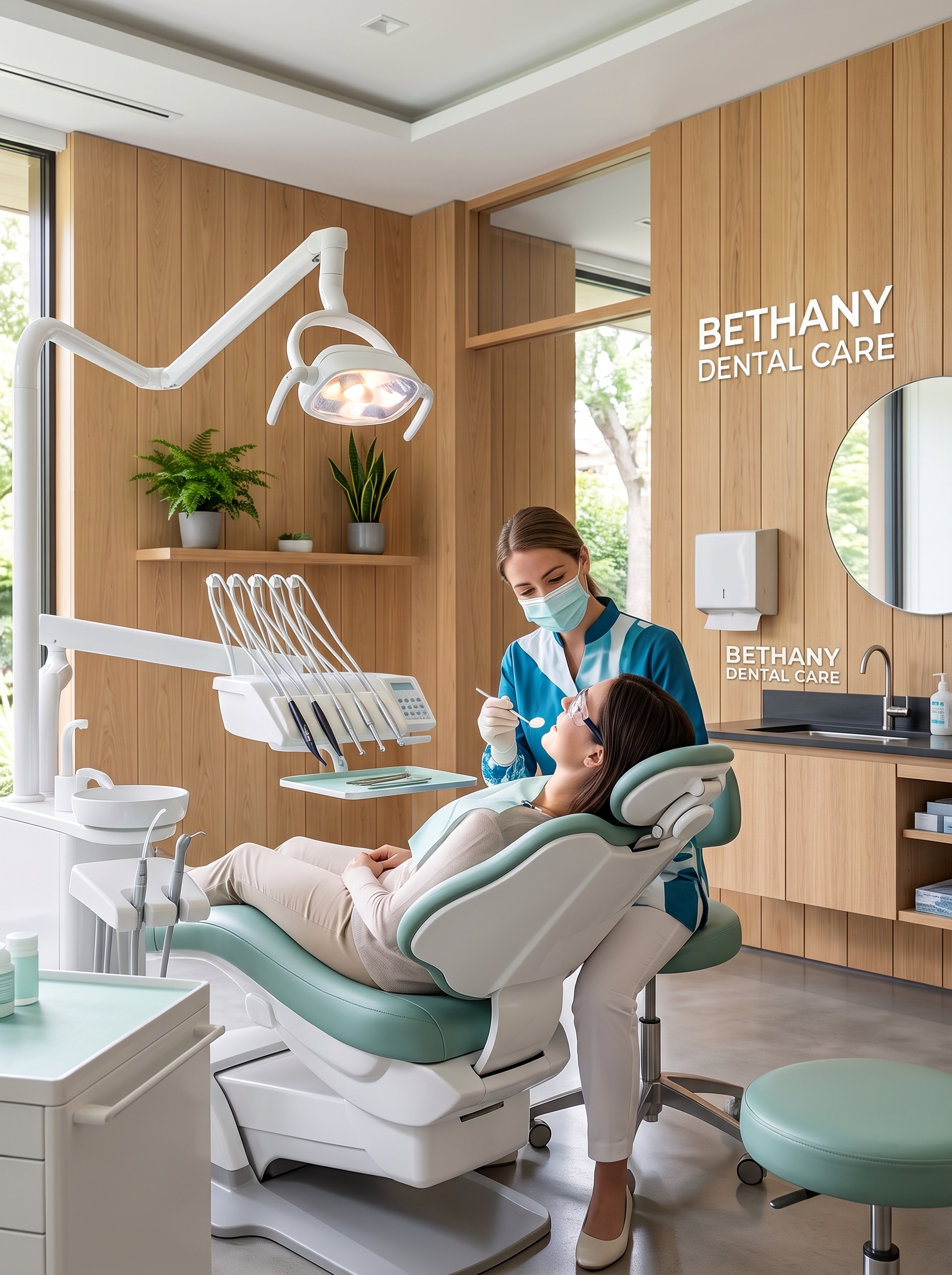
Root canal therapy is one of the most misunderstood procedures in dentistry, often associated with pain. However, modern endodontic techniques, high-powered surgical microscopes, and advanced sedation options have transformed this procedure into a precise, comfortable, and highly successful method for saving infected teeth. Endodontic therapy addresses inflammation or infection within the pulp tissue, which contains the nerves and blood vessels of the tooth.
The primary cause of pulpal infection is deep dental caries or structural fractures that allow oral bacteria to breach the protective dentin layer. Once bacteria enter the pulp chamber, the tissue becomes inflamed. If left untreated, the infection can progress to the surrounding alveolar bone, forming a painful abscess. Precision diagnostics, including 3D Cone Beam Computed Tomography (CBCT), allow dentists to map the root canals in three dimensions before starting treatment.
During the procedure, the endodontist uses a surgical microscope to locate all canal orifices, which can be as narrow as a hair. Specialized nickel-titanium rotary instruments are used to clean, shape, and debride the canals, removing all necrotic tissue and bacterial biofilms. High-velocity chemical irrigants, activated by ultrasonic waves, sanitize the microscopic accessory canals that mechanical instruments cannot reach.
Once sterile, the canals are obturated—or sealed—using a biocompatible material called gutta-percha combined with a resin-based sealer. This hermetic seal prevents future bacterial colonization. Finally, the tooth is restored with a custom crown to protect its weakened structure. With neuromuscular oral sedation, patients experience a zero-pain environment, changing root canal therapy into a routine, comfortable visit.