Preventative Bio-Telemetry Mapping: Catching Friction Points Before Pain Occurs

Preventative bio-telemetry mapping represents the future of preventative dentistry. Rather than waiting for dental structures to break, decay, or become painful, this digital methodology utilizes force-sensing sensors and structural telemetry to analyze bite forces and protect enamel integrity. By identifying micro-friction points and stress zones, dentists can intervene before structural damage occurs.
The core technology of bio-telemetry mapping is the digital occlusal analysis system. When a patient bites down on a electronic sensor strip, the system measures force distribution and timing in real-time. It records which teeth contact first, how much force is applied to each tooth, and how the bite shifts during movement. Traditional bite paper only shows *where* teeth touch; digital telemetry shows *when* and with *how much force* they touch.
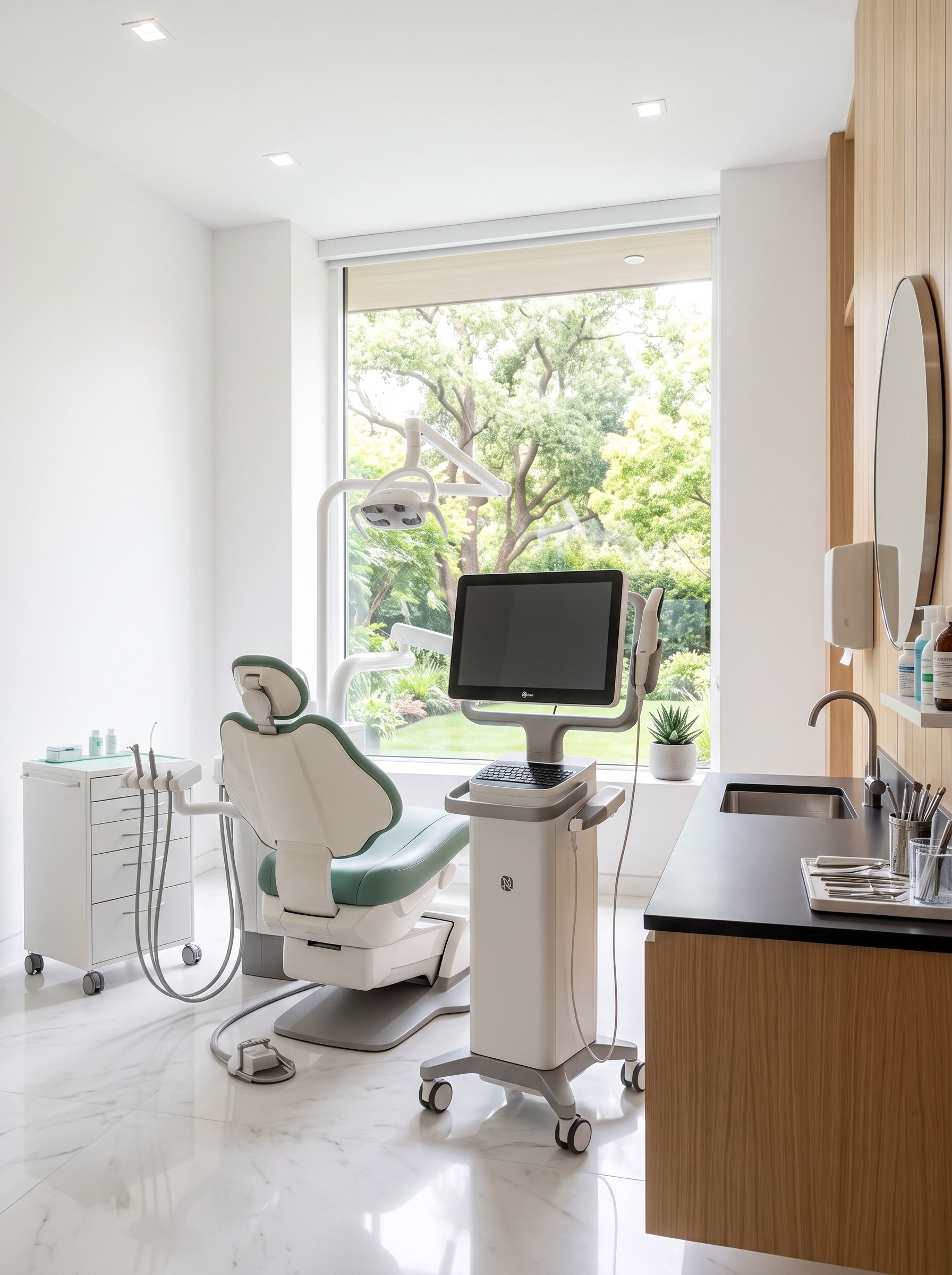
Micro-friction points—areas of excessive pressure or friction during jaw movement—are primary causes of enamel wear, cracked teeth, and TMJ disorders. If a single molar bears double its share of bite pressure, the enamel will eventually crack or erode at the gum line. Catching these stress points early allows for minor adjustments (occlusal equilibration) or the design of a custom protective nightguard.
Furthermore, bio-telemetry mapping is invaluable for patients receiving restorations like crowns or implants. It ensures that new restorations are perfectly integrated into the existing bite mechanics, preventing premature failure or discomfort. By shifting the clinical focus from reactive restoration to proactive force balance, preventative telemetry safeguards the dentition, ensuring a healthy, functional smile for life.